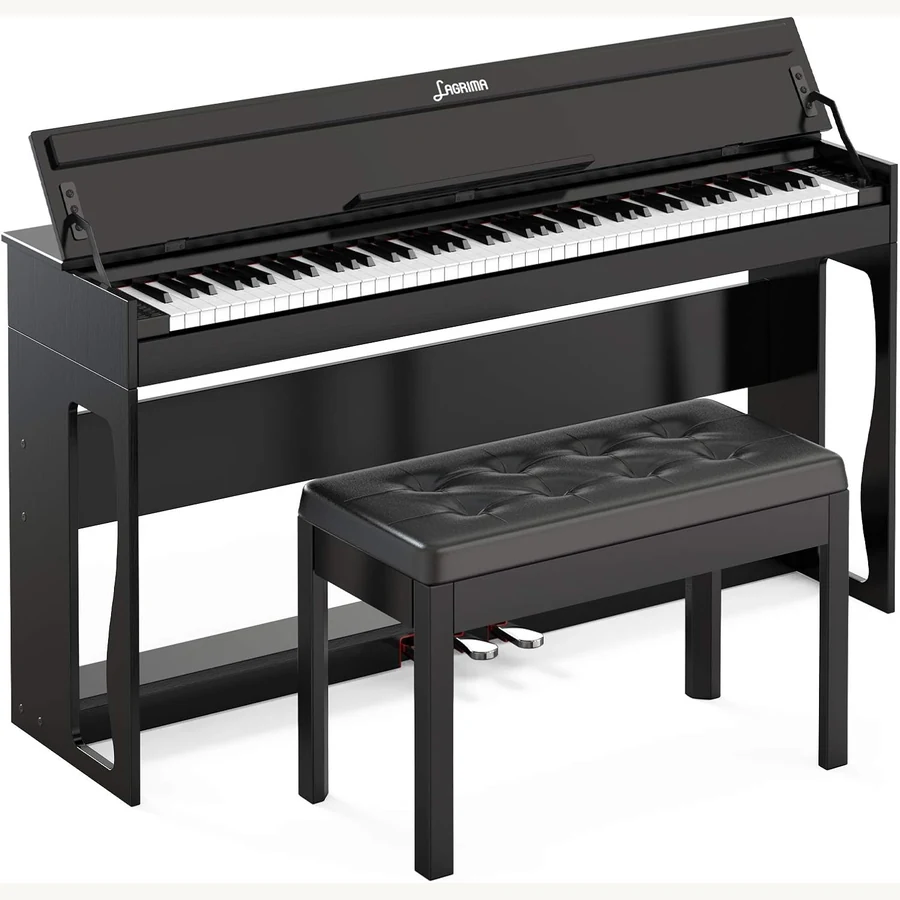
Safe replacement steps
Power off, unplug, photograph your old label, then match output volts and amps equal or higher than factory spec. Center-positive polarity must match exactly.
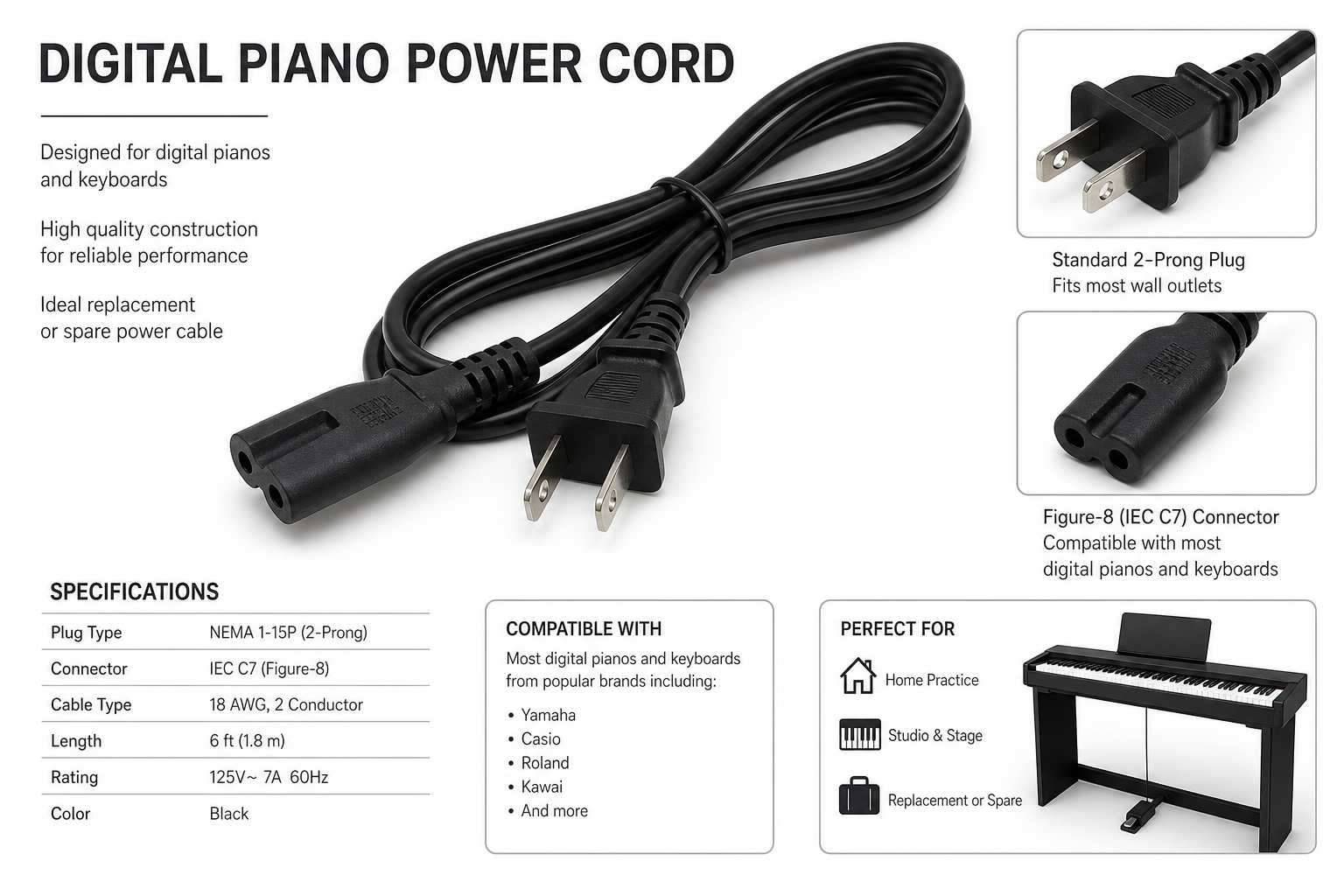
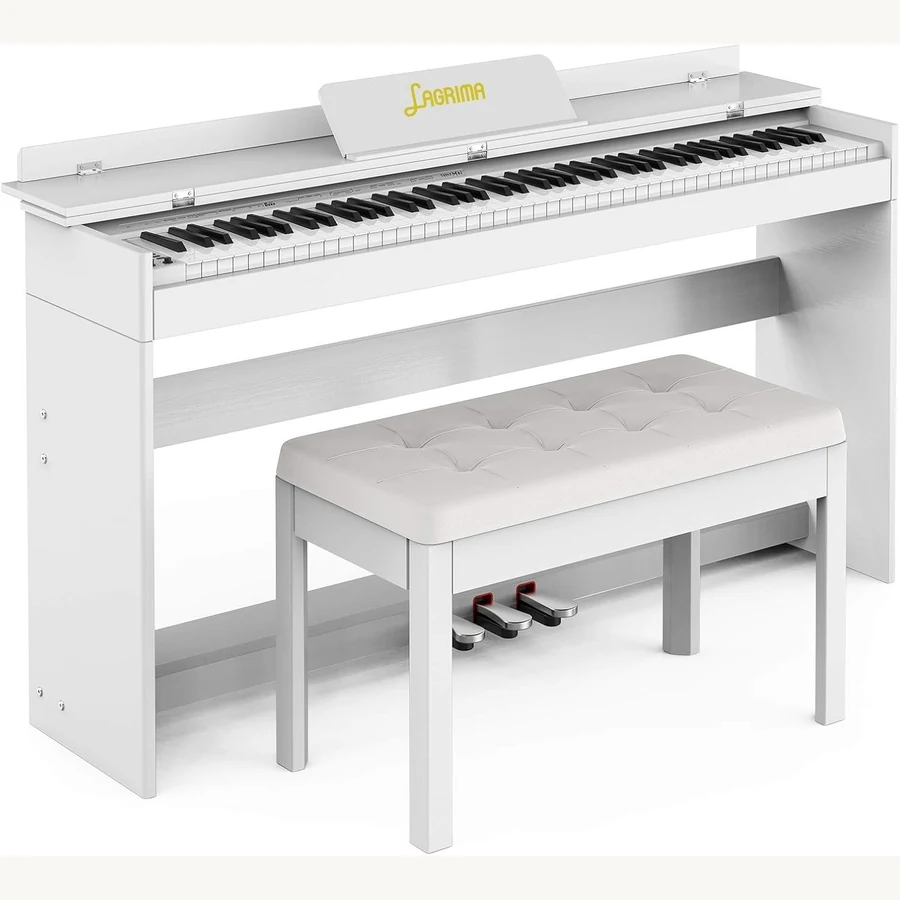
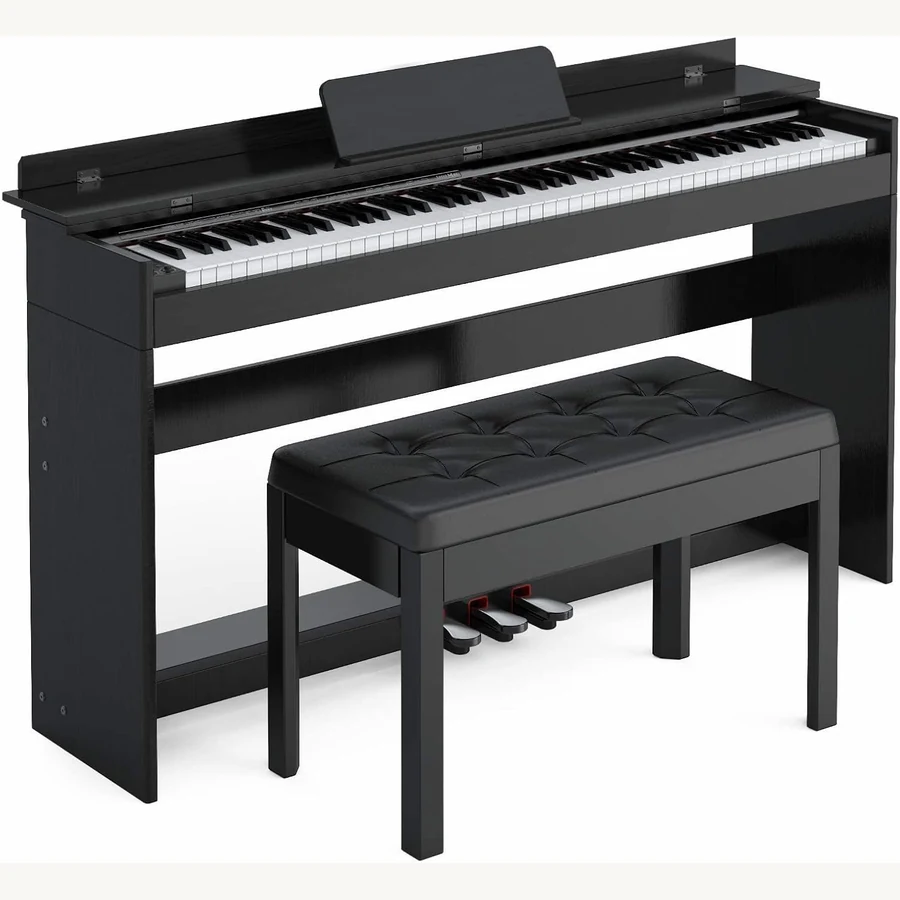
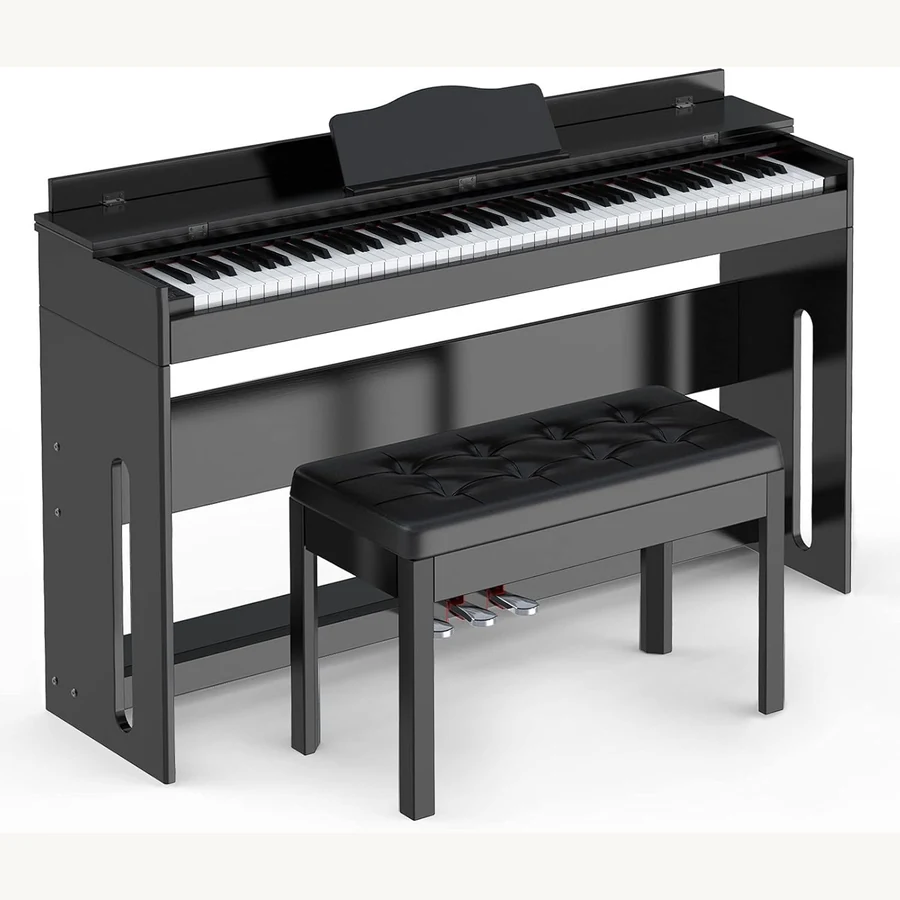
Route cables where chairs will not roll over them. Console cabinets have rear cutouts — thread the lead once and leave slack for occasional pulling away from the wall.
Extension cord caution
Long thin extension cords drop voltage under load. If you must extend reach, use a heavy-gauge cord rated for the adapter amperage and keep total length under six feet when possible.
Do not daisy-chain multiple cheap strips. One quality surge protector at the wall is enough.
Travel and storage
Wrap bricks loosely; tight knots crack internal solder. Store the labeled brick with the piano if you rotate instruments seasonally.
Label your adapter with model number tape so housemates do not borrow it for unrelated electronics.
When to call support
If correct adapters still produce reboots, the internal power board may need service. Note serial number, purchase date, and whether smell or smoke appeared — those details speed warranty review.
In summary
Treat the power cord as part of the instrument, not an afterthought. The right adapter is inexpensive insurance for years of stable practice.
Voltage by region
North American adapters typically list 120V input with 12V or 15V output. European bricks accept 230V input — never use a US-only brick on EU mains with a step-down guess.
If you moved continents with your piano, replace the entire adapter rather than using travel converters long term. Converters add heat and noise that digitals dislike.
Barrel size reference
Most LAGRIMA consoles use a 5.5 mm outer barrel with 2.1 mm inner pin, center positive. Portables sometimes use smaller 4.0 mm barrels — carry the old brick to an electronics shop for side-by-side comparison.
Loose barrels cause intermittent power. If the jack wiggles, inspect the rear socket for cracked solder before buying a third adapter.
Power budgeting
Amperage on the label is a minimum safe rating. A 12V 3A supply can replace a 12V 2A factory brick; going lower risks brownouts when speakers hit peak volume.
Avoid USB-C laptop chargers with gimmick adapters unless the seller documents piano-compatible center-positive wiring. One reversed polarity event can end practice for weeks.
Storage after moves
Coil bricks loosely in a gallon bag taped inside the bench. Include a photo of the label so future owners do not mix supplies between siblings’ keyboards.
Insurance and warranty
Keep receipts for adapters bought after the original purchase. Warranty teams often ask for photos of the label when power issues appear months in.
Surge events from neighborhood storms can damage bricks before keyboards. If multiple electronics failed the same night, replace the adapter even if the piano boots — weakened capacitors fail later.
Classroom and church
Institutions should label bricks with asset tags. Shared spaces mix supplies easily; a 15V brick on a 12V console in a choir room ends practice for the whole semester.
Extension cords across aisles need cable covers. Digital pianos in worship spaces should use dedicated circuits away from dimmer noise that can buzz cheap power supplies.
Cable routing
Route the brick on the floor beside the bench, not dangling from the rear jack. Strain on the socket cracks solder pads over years of chair bumps.
Use velcro ties to bundle excess length — coils near transformers create heat pockets. Leave enough slack to pull the piano forward for dusting without unplugging.
Testing a suspect brick
If you own a multimeter, verify output voltage under load by plugging the brick in and measuring with the piano powered on. Drops more than ten percent below label suggest replacement.
Buzzing bricks without load should be retired immediately. The keyboard may still turn on while the supply degrades.
Travel tips
When touring with a portable LAGRIMA, pack the brick in carry-on — checked baggage gets crushed. Label both piano and adapter with contact info in case airport security separates them.